
How AI Inspiration Is Changing Custom Tattoo Design Conversations

Updated: Aug 12
In recent years, custom tattoo design has entered a fascinating new era. With AI-powered image generation tools becoming more accessible, clients now arrive at tattoo consultations with visual references that go far beyond traditional Pinterest boards or saved artwork. At Ink Lucid Tattoo Studio, these AI-generated concepts are not replacing creativity—they are helping start deeper conversations that lead to truly meaningful tattoos.
The modern tattoo journey begins long before the needle touches the skin. Clients often have emotions, memories, stories, or themes they want to express but struggle to visualize. AI tools are helping bridge that communication gap by transforming ideas into rough visual concepts that artists can interpret and refine. However, the real artistry still lies in turning inspiration into a tattoo that works beautifully on the human body.
How AI Is Changing Tattoo Inspiration
One of the biggest advantages of AI-generated references is clarity. Instead of trying to explain a complex idea through words alone, clients can present visuals that communicate mood, symbolism, composition, or style preferences.
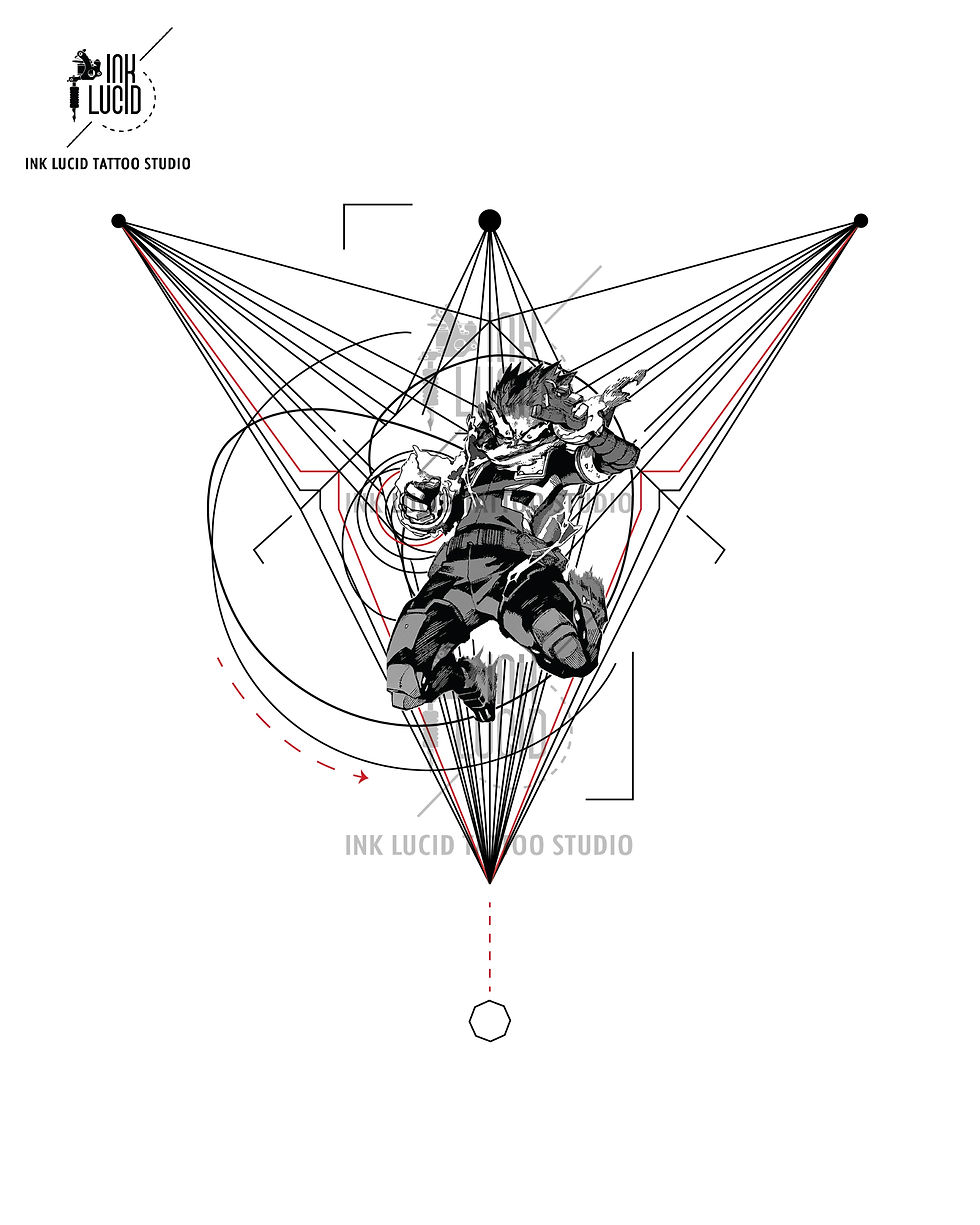
For example, someone may want a tattoo representing personal growth, nature, and geometric balance. AI can generate multiple interpretations within minutes, allowing the conversation to become more focused and productive. The tattoo artist can then identify elements that work, remove those that do not, and create a design tailored specifically to the client.
At Ink Lucid Tattoo Studio, these references serve as creative starting points rather than finished artwork. Every tattoo is developed through artistic collaboration, ensuring the final piece remains unique, wearable, and aligned with the client's story.
AI can help turn an abstract idea into a visual starting point, but choosing the right tattoo concept still requires careful thought. Read Personalized Tattoo Ideas Based on Personality Types for more inspiration on connecting tattoo concepts with individual identity.
Artist's Insight: An AI image can show what you like visually, but it doesn't automatically show what will work on your body. Tattoo design requires decisions about anatomy, scale, line weight, contrast, placement, and how the artwork will age.
Using AI to Communicate Complex Ideas Content
While AI can generate impressive imagery, it lacks an understanding of anatomy, skin flow, long-term aging, and personal meaning. A tattoo is not simply a digital image—it is a permanent piece of art designed for a living canvas.
Experienced artists evaluate factors such as placement, body contours, line weight, shading techniques, and visual balance before creating the final design. This human expertise transforms inspiration into artwork that will look great both today and years from now.
Many tattoo enthusiasts and artists also emphasize the importance of collaboration, transparency, and original artistic input throughout the design process. The value of a custom tattoo often comes from the conversation, revisions, and creative decisions that shape the final piece.
Bring Your AI Inspiration—We'll Help Shape the Idea
AI-generated images can be useful when you know the feeling, subject, or atmosphere you want but don't yet have the words to describe it.
Bring those references to your consultation. The important step is transforming inspiration into an original tattoo concept that considers your story, body placement, composition, and long-term wearability.
What AI Can't Tell You About a Tattoo
AI-generated images can be incredibly useful for exploring tattoo ideas, but a digital image doesn't account for everything involved in putting that artwork on skin. A design that looks impressive on a screen may need significant changes before it can become an effective tattoo.
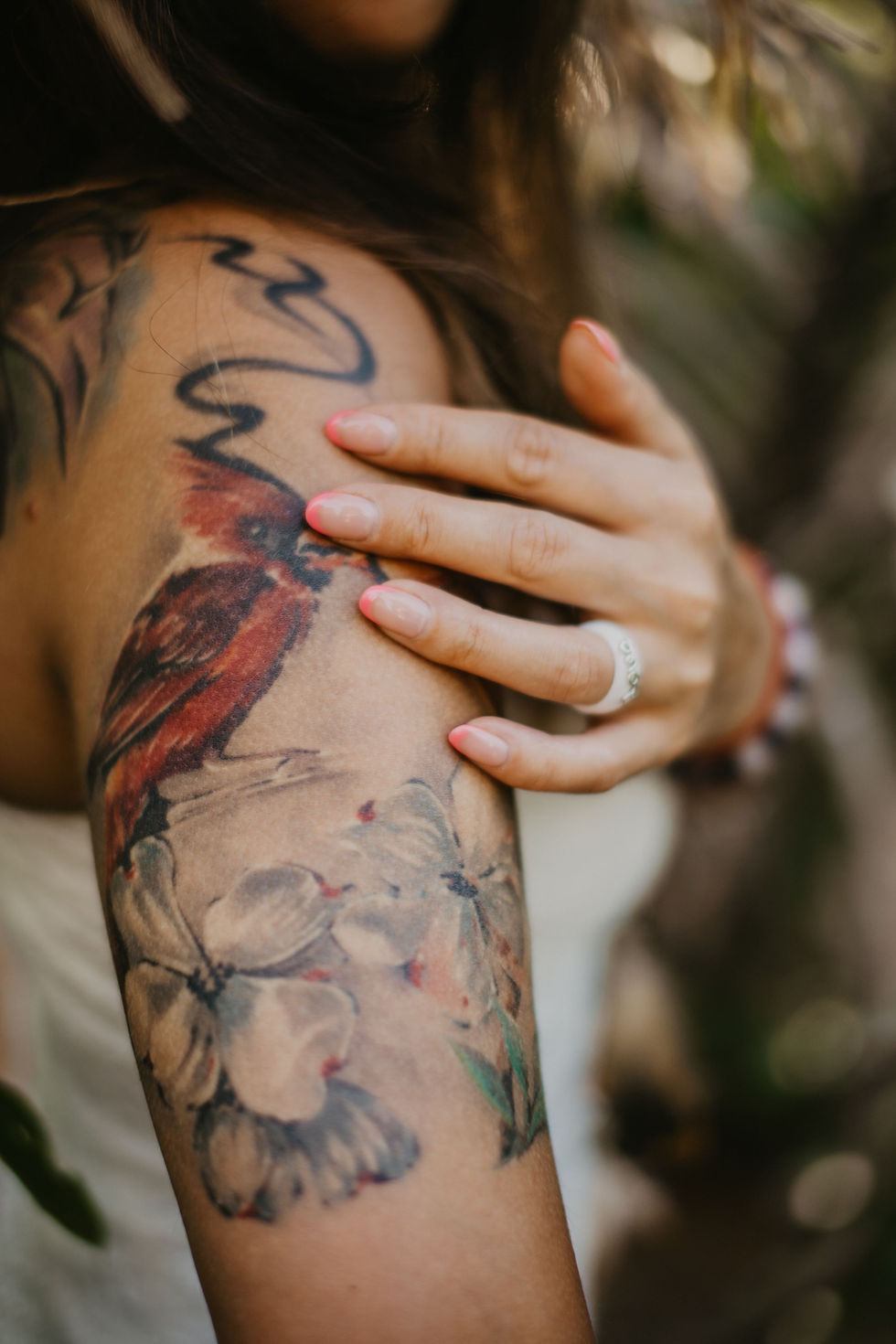
One of the biggest considerations is body anatomy. Skin isn't a flat canvas. The curves, movement, and proportions of an arm, leg, chest, back, or shoulder can change how a design looks once it is tattooed. An experienced tattoo artist evaluates how the artwork will follow those natural contours.
Scale and line weight also matter. Fine details that look sharp in an AI-generated image may not translate well at a small tattoo size. Similarly, extremely thin lines, tightly packed details, or excessive shading can affect how the tattoo looks as it ages.
An artist also needs to consider:
The size and placement of the tattoo
Skin movement and body contours
Appropriate line weight
Contrast between light and dark areas
How much detail can realistically be tattooed
Existing tattoos around the area
How the design may change as it heals and ages
This is why an AI image should be treated as visual inspiration rather than a finished tattoo blueprint. The artist's role is to interpret the reference, identify what works, remove unnecessary elements, and adapt the concept into artwork that is technically suitable for the skin.
The result may look different from the original AI image—and that's often a good thing. The goal isn't to reproduce a digital image perfectly. It's to create a tattoo that works visually, technically, and personally for the individual wearing it.
AI generates inspiration → Client communicates the idea → Artist evaluates the concept → Artist adapts it for skin → Final custom tattoo
A tattoo also needs to work with the body it's being designed for. Explore Tattoo Placement Psychology: What Your Tattoo Location Says About You to understand how placement can influence both the meaning and visual impact of a tattoo.
The Future of AI and Tattoo Consultations
As AI image-generation tools become more accessible, they are likely to become a more common part of the tattoo consultation process. Clients can use them to experiment with different concepts before approaching an artist, making it easier to communicate ideas that may otherwise be difficult to describe.
For example, someone might know they want a tattoo that feels dark, surreal, organic, and slightly abstract, but may struggle to explain exactly what they have in mind. AI-generated references can provide a visual starting point for that conversation.
However, the consultation itself remains important.
The artist can take those references and ask the questions that AI cannot:
What does this tattoo mean to you?
Why have you chosen this particular imagery?
Where do you want the tattoo placed?
How large should it be?
Do you want the design to remain close to the reference or reinterpret it?
How should the artwork interact with your body's natural shape?
What elements should remain recognizable as the tattoo ages?
This creates a more productive relationship between technology and artistic expertise.
AI can help clients arrive at a visual direction, while the tattoo artist brings the technical knowledge, artistic judgment, and understanding of skin required to turn that direction into a viable tattoo.
Ultimately, the future of tattoo design is unlikely to be about AI versus tattoo artists. Instead, AI can become another tool within the creative process—one that helps clients communicate their ideas while artists remain responsible for transforming those ideas into original, wearable artwork.
Whether your starting point is an AI image, photograph, sketch, or personal memory, the strongest results come from thoughtful collaboration. Learn more about Why Professional Tattoo Consultation Matters Before Getting Inked and what to expect before your tattoo session.
FAQs
Can I bring an AI-generated image to a tattoo consultation?
Yes. An AI-generated image can be useful as a visual reference for discussing composition, mood, subject matter, or artistic direction.
Can a tattoo artist tattoo an AI-generated image exactly as it appears?
A tattoo artist may use an AI image as inspiration, but directly reproducing it may not produce the best tattoo. The design needs to be adapted for skin, anatomy, placement, line weight, shading, and long-term readability.
Is AI replacing tattoo artists?
AI can assist with brainstorming and visual exploration, but it does not replace the artistic and technical decisions required to create a tattoo. Artists still need to interpret concepts, work with anatomy, understand skin, and execute the design manually.
How should I use AI when planning a custom tattoo?
Use AI to explore ideas rather than treating the generated image as the finished design. Experiment with subjects, moods, compositions, and visual directions, then bring the strongest references to your tattoo consultation.
Can AI create a completely original tattoo design?
AI can generate visually new combinations, but originality in tattooing involves more than generating an image. The final design should be thoughtfully adapted to the individual, their story, body placement, and artistic requirements.
Inspiration Can Come From Anywhere. Your Tattoo Should Still Be Yours.
AI has changed the way people visualize tattoo ideas, but technology doesn't understand your skin, your story, or the way a design needs to flow with your body.
At Ink Lucid Tattoo Studio, references are treated as starting points for creative conversations—not as finished tattoo designs. The goal is to transform inspiration into original artwork that feels personal, considered, and designed specifically for you.
Have an idea you'd like to explore? Start your consultation today.

Comments